Showing posts with label Gyeongbokgung. Show all posts

Tuesday, February 3, 2015

Seoul, South Korea: Around Gyeongbokgung - National Palace Museum of Korea and Gwanghwamun Plaza

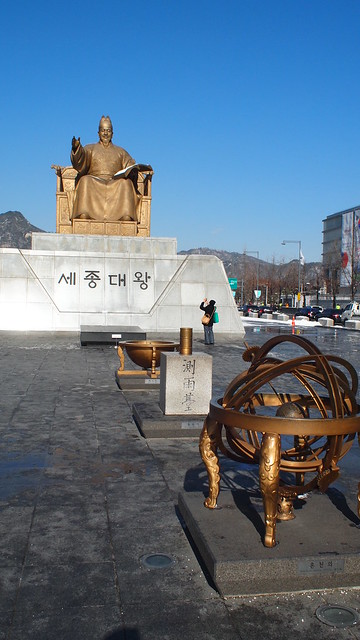
King Sejong the Great of the Joseon Dynasty, he who invented 14 consonants and 10 vowels that can be arranged to create all of the sounds in spoken Korean, he who is one of only two Korean rulers honored as "the Great", he who has been featured in 2 K-dramas and counting...

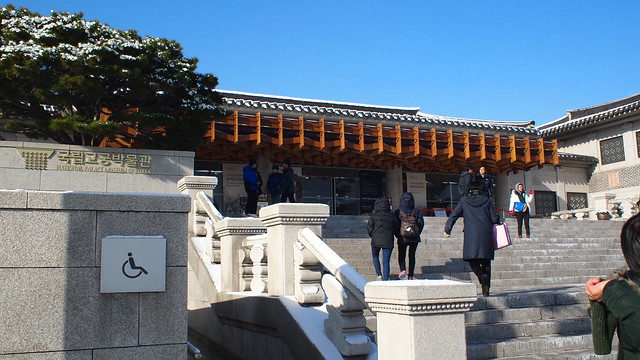
After exploring Gyeongbokgung, I didn't visit the Folk Museum again (but it's free anyway so I'd recommend a visit). But I made a quick visit to the National Palace Museum of Korea which reminds me of that in Taiwan, before crossing the road to Gwanghwamun Plaza is reminiscent of Tiananmen Square in Beijing (sans bag checks).

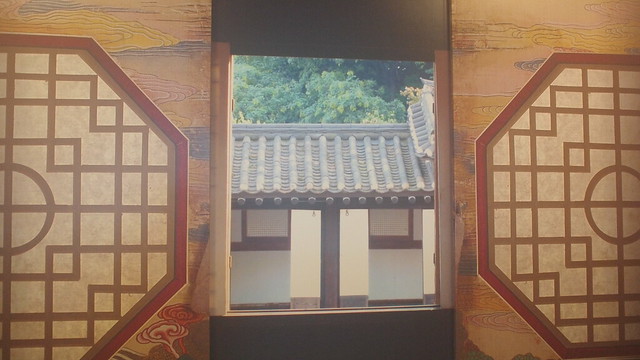
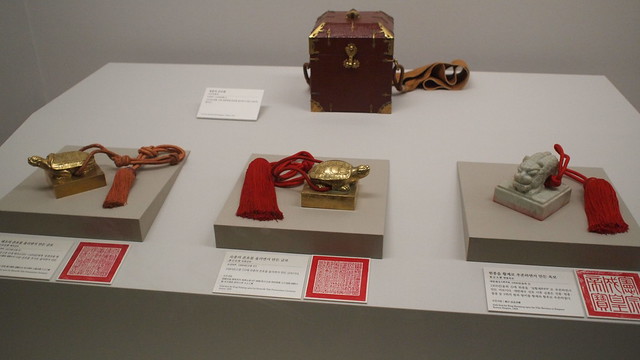
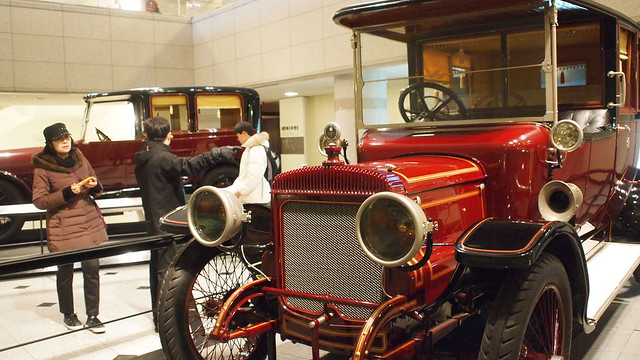
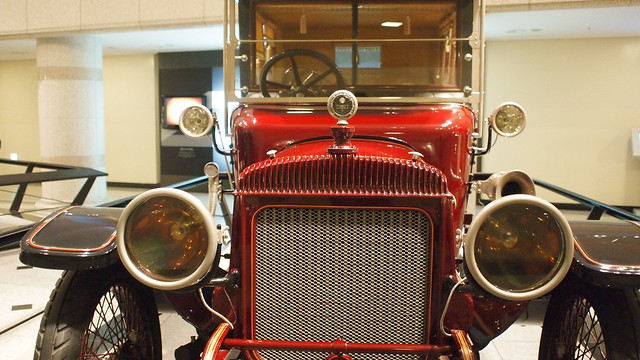
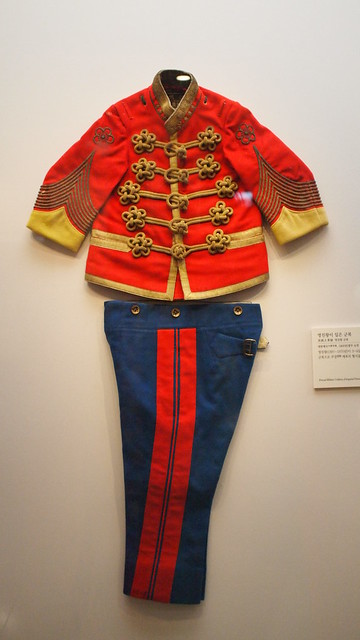
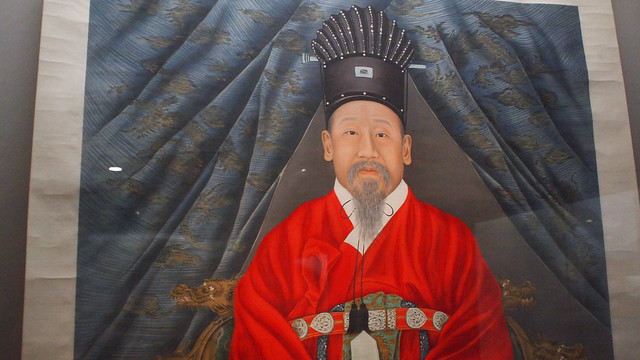
National Palace Museum of Korea
The current museum was opened in 2005, but its history dates back to 1909 when the "Imperial Household Museum" was founded by Emperor Sunjong in Changgyeonggung (hey, I visited this palace!). Korean dramas (and variety shows, k-pop...)  have successfully stirred up the world's interest in all things Korean. Not all dramas are entirely historically-sound, but if they do make references to Korea's past, at least some part of it is true. Considering how Japan still has its Imperial Family and Chinese at least have their last emperor, I didn't occur to me that Korea once had its own monarchies. Until the advent of Korean dramas. K-dramas also taught me how closely intertwined the histories of Japan, Korea and China were.

The K-drama that came to my head while visiting (or revisiting) the Palace Museum is "My Princess" starring Kim Tae-hee and Song Seung-heon, about how a girl was actually a *gasp* princess (the great-granddaughter of the Joseon's Emperor Sunjong). So like me, if you find Korea's imperial history, or any history for that matter, this museum is for you!
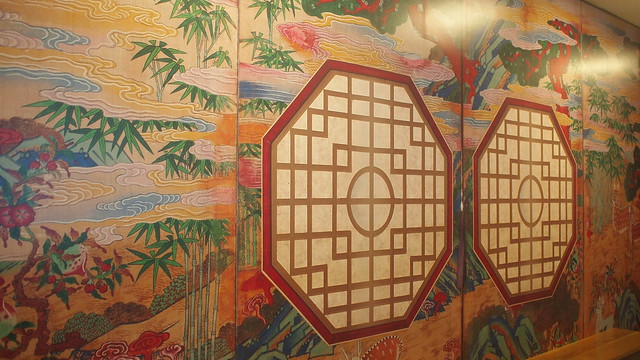
Gyeongbokgung

National Palace Museum of Korea

National Palace Museum of Korea

National Palace Museum of Korea

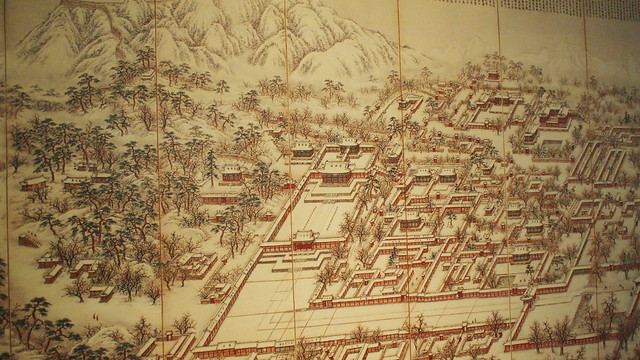
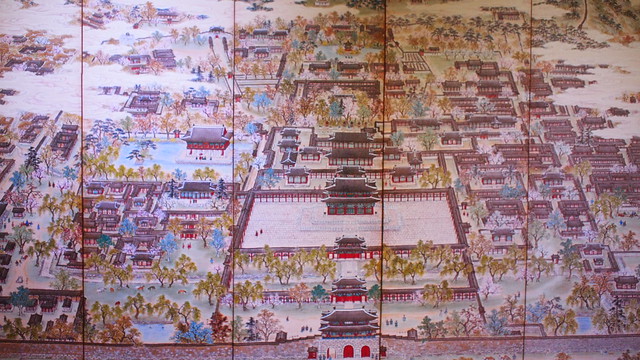
This looks like the palace and its vicinity... Or is this the entire palace?
National Palace Museum of Korea

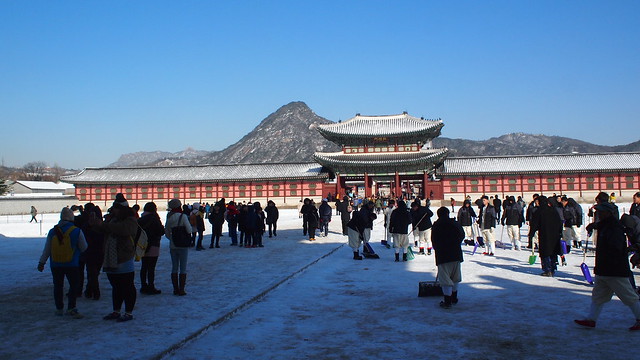
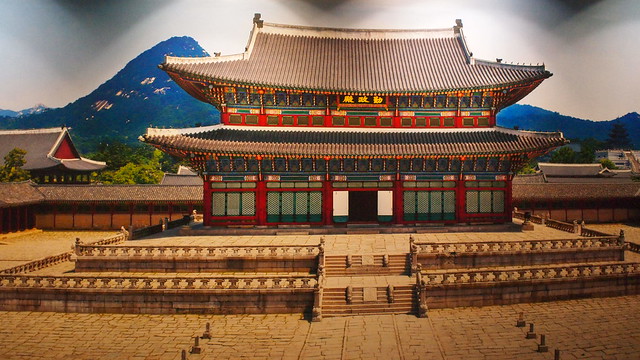
When Korea’s Joseon Dynasty was founded in 1392, work began immediately to build Gyeongbokgung royal palace in Seoul (경복궁). The area between Namsan (남산) and Bugaksan (북악산) mountains was deemed auspicious, so just three years later, Gyeongbokgung, or the “Palace Greatly Blessed by Heaven” was completed. Source
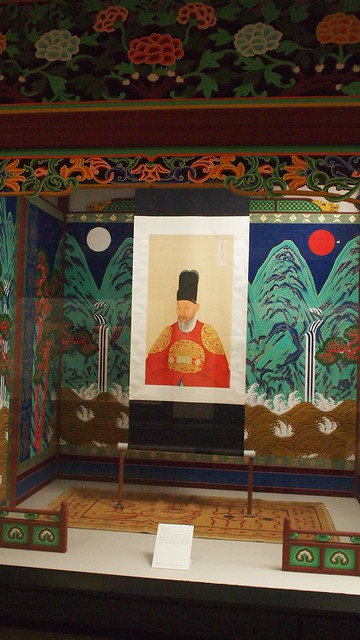
National Palace Museum of Korea

National Palace Museum of Korea

National Palace Museum of Korea

National Palace Museum of Korea

National Palace Museum of Korea

National Palace Museum of Korea

National Palace Museum of Korea

Gwanghwamun Plaza

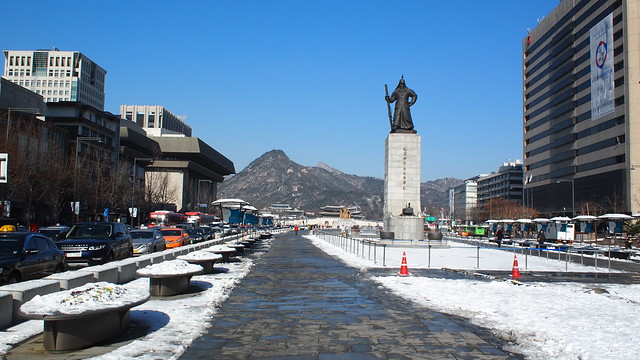
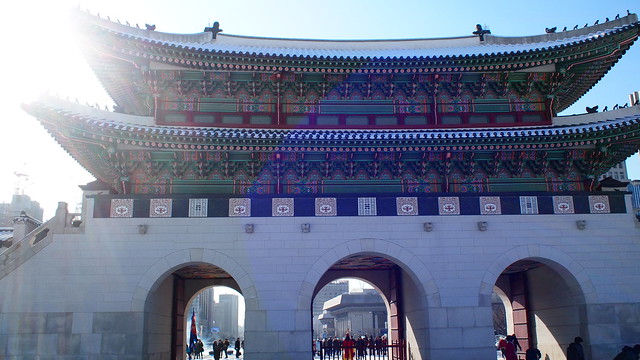
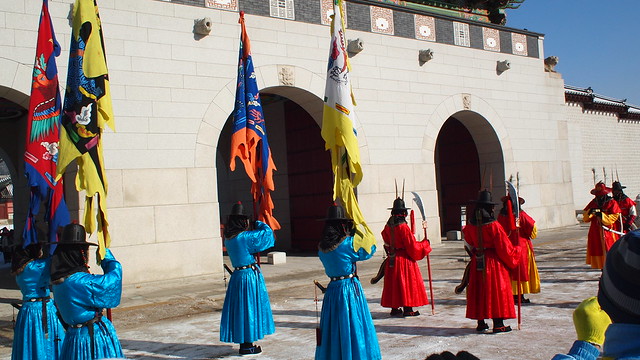
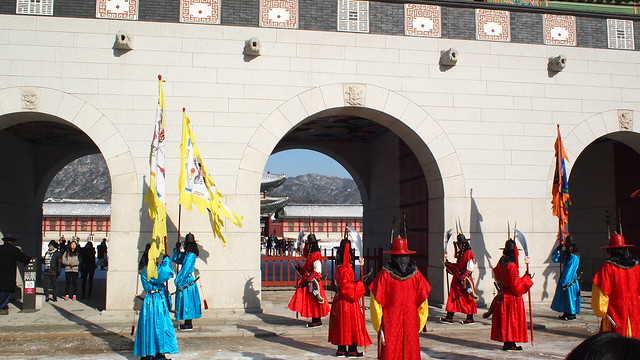
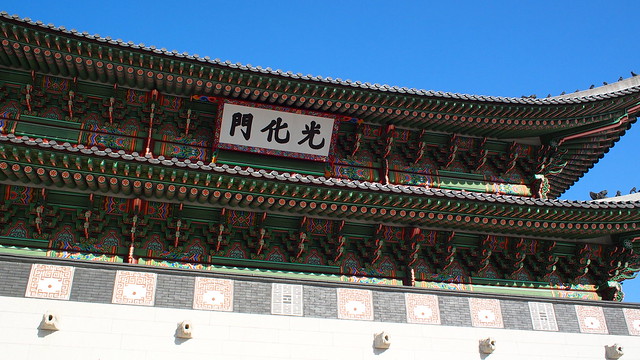
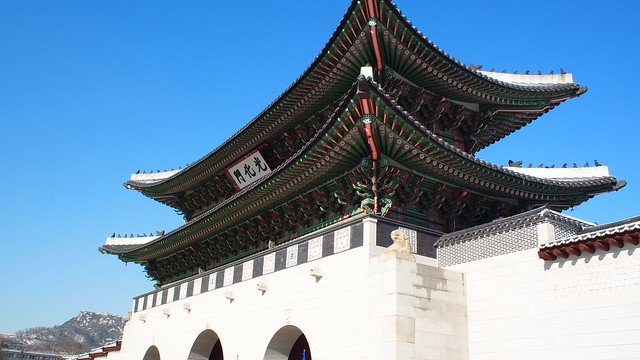
This Plaza (or Square, though I don't think this is a reference to its shape, which is more rectangular) is right in front of Gwanghwamun (Hangul: 광화문; hanja: 光化門), the main and largest gate of Gyeongbokgung Palace (where the guard changing ceremony takes place).
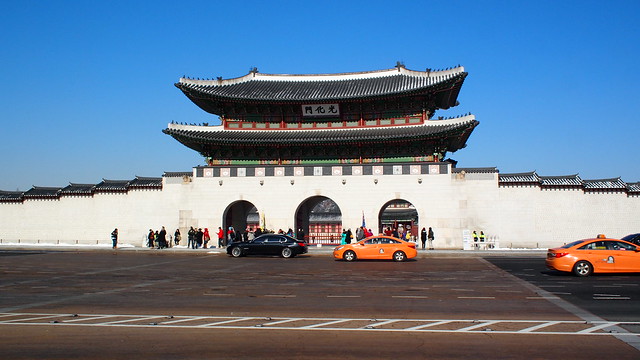
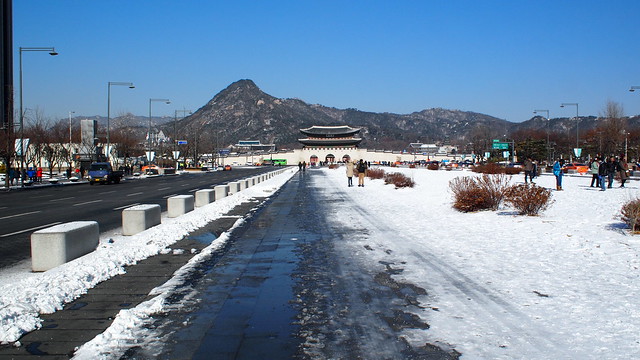
National Palace Museum of Korea

Gwanghwamun Square

The 6 sections of the Plaza you shouldn't (or can't) miss:
- The 6.2-meter high, 20-ton new bronze statue of King Sejong (or Sujong) the Great of Joseon, the fourth and most respected king of the Dynasty and creator of Hangeul, Korea's alphabet
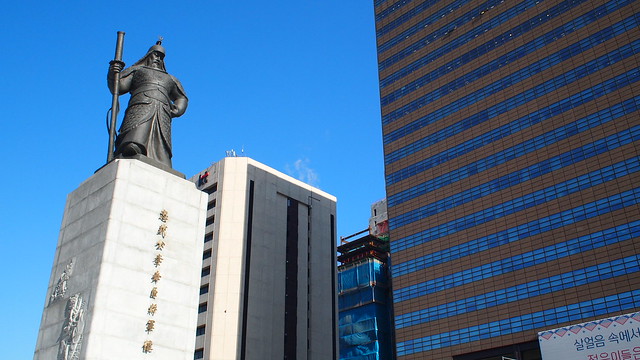
- The Statue of Admiral Yi Sun-sin who led Koreans to victory during the Japanese invasions of Korea
- The 12.23 Fountain, commemorating the 23 battles Admiral Yi fought with 12 warships
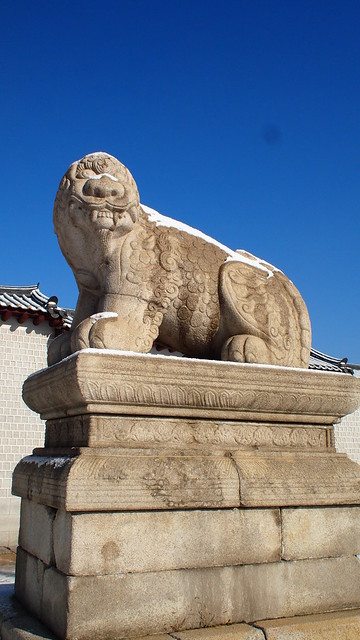
- The sculpture of Haechi (a "unicorn-lion", the symbol of Seoul), a flower carpet, and Yeoksamulgil ( or the "Waterway of History") on either side of the square.
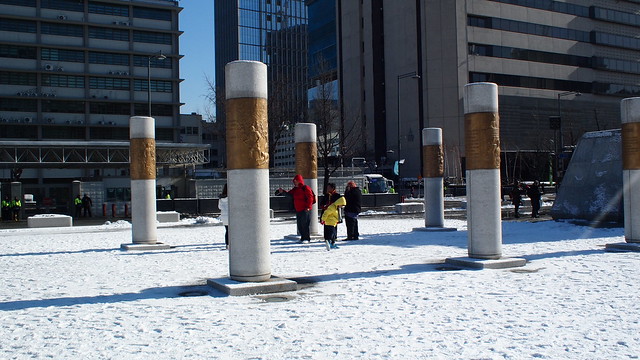
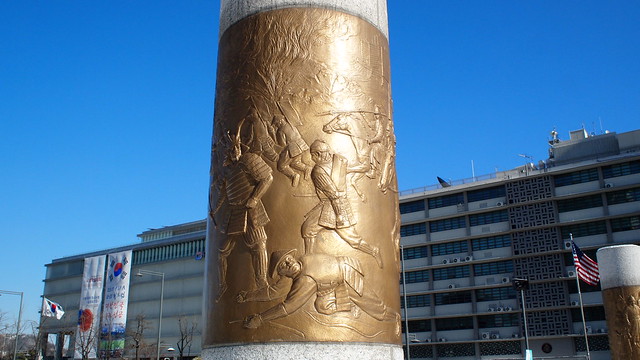
Gwanghwamun Square

Gwanghwamun Square


Gwanghwamun Square

Gwanghwamun Square

Gwanghwamun Square

Gwanghwamun Square

Other interesting things:
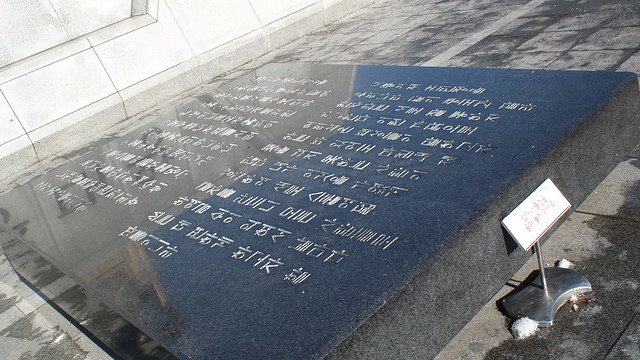
- The 617 stones that records the major events from 1392 to 2008 - The passage behind the Statue of King Sejong which leads to The Story of King Sejong Exhibition Hall
- A small memorial off the Plaza that I'm curious about till today (I only guessed it from the Chinese characters 纪念碑殿)
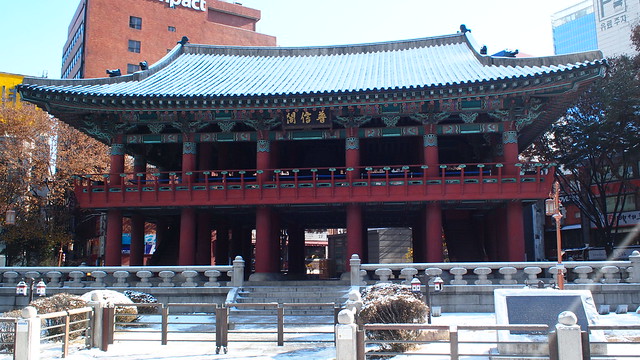
- And a Pavilion
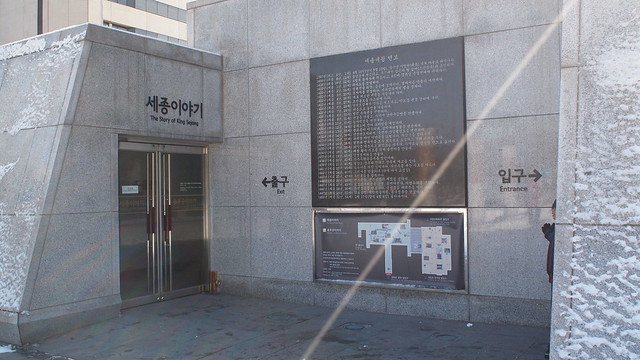
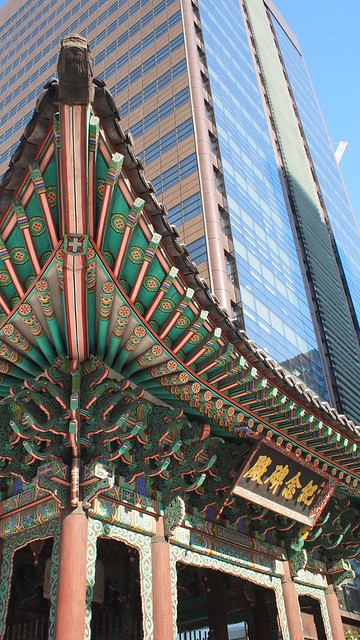
Gwanghwamun Square

Gwanghwamun Square

Gwanghwamun Square

Gwanghwamun Square

Sunday, February 1, 2015

Seoul, South Korea: Gyeongbokgung in Winter

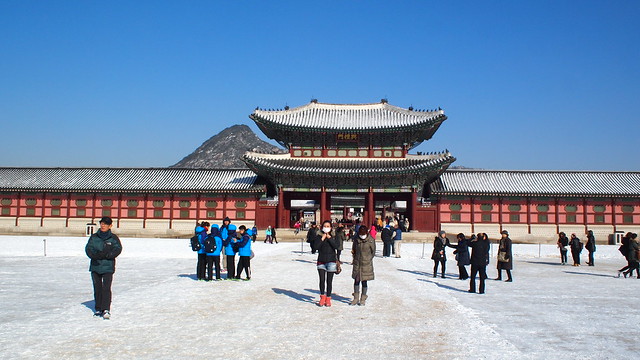
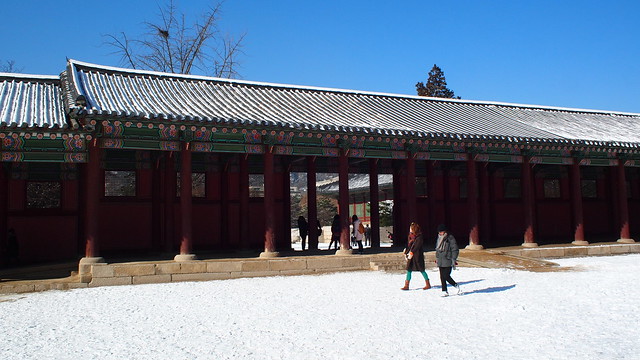
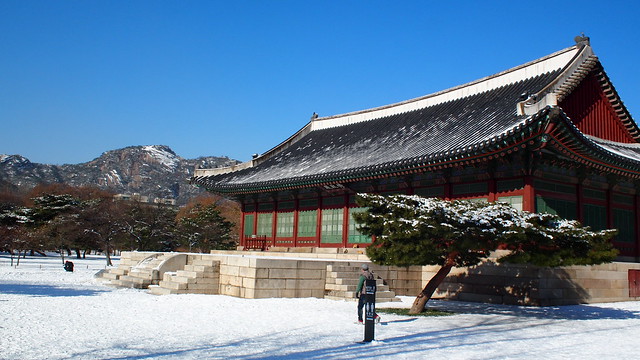
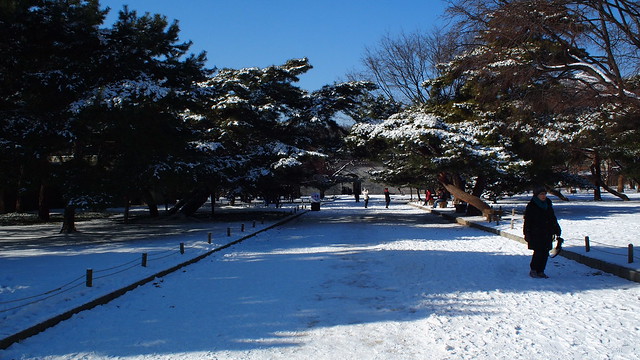
Gyeongbokgung is one of 3 palaces in Seoul, South Korea that  I visited in winter 2013. It was actually a revisit because I was here back in Autumn 2009. You would too if you had to choose, because it's the grandest. You can also pop by the National Palace Museum of Korea or the National Folk Museum of Korea for free.
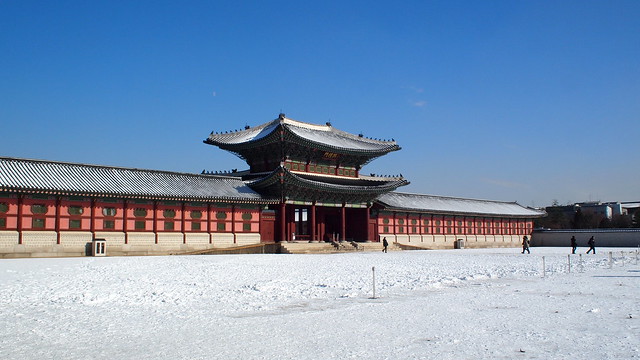
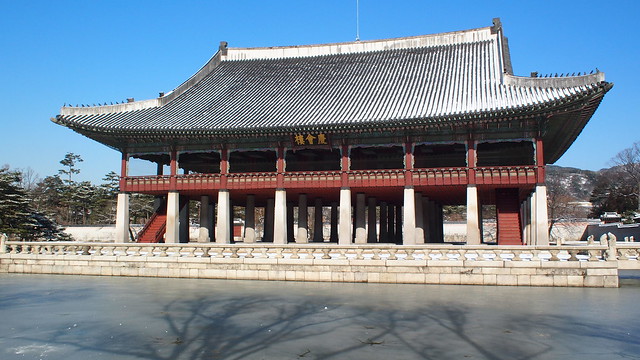
Constructed in 1394, Gyeongbokgung served as the main palace of the Joseon Dynasty (1392~1910) by its founder, King Taejo, and is often considered to be the grandest of all five palaces. Given its sheer enormity, visitors should note that scaling the entire grounds does take a little time. Yet, once reaching the imperial throne room of Geunjeongjeon or Gyeonghoeru Pavilion, which stands rested on forty-eight granite pillars towering over a lotus lake, such efforts will have proven all the more worthwhile. Other highlights include the skyscraping pagoda resting atop the National Folk Museum of Korea and Hwangwonjeong Pavilion, which sits centered in a beautiful pond.

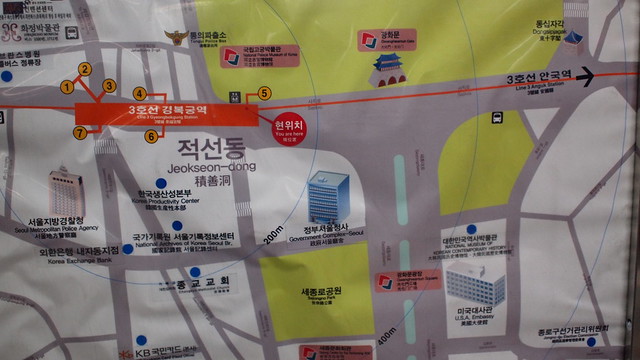
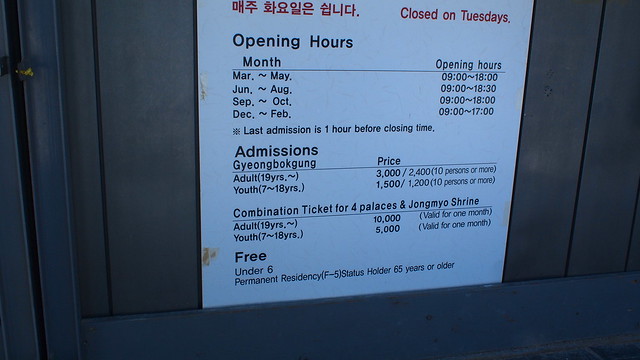
Take subway Line 3 to Gyeongbokgung Station and proceed to Exit 5. The palace grounds are open from 09:00~18:00 (March ~ October) and 09:00~17:00 (November ~ February). Gyonegbokgung Palace is closed Tuesday. Admission is 3,000 won. Source
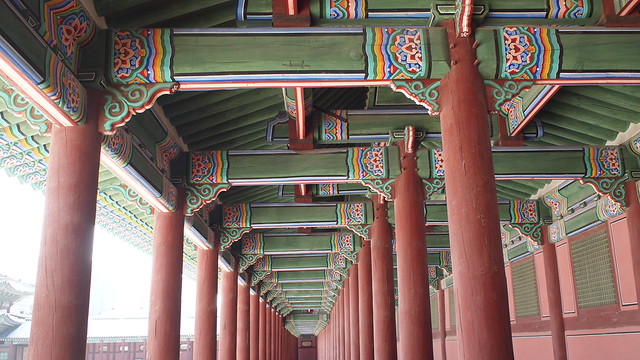
More about Gyeongbokgung here which also mentions the most photographed site in Korea (I'm doubtful).

My two favourite shots back in 2009 are:

k1 k2
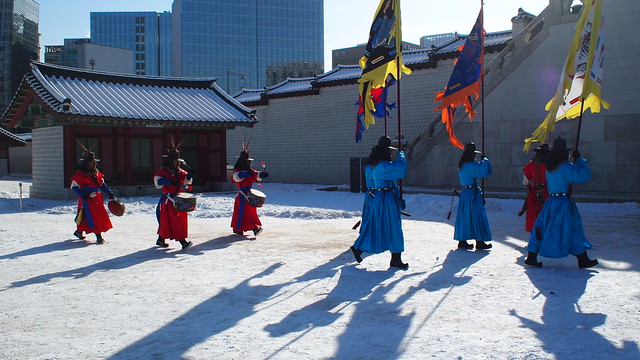
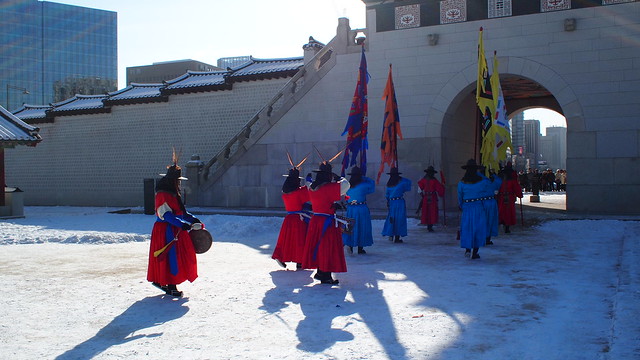
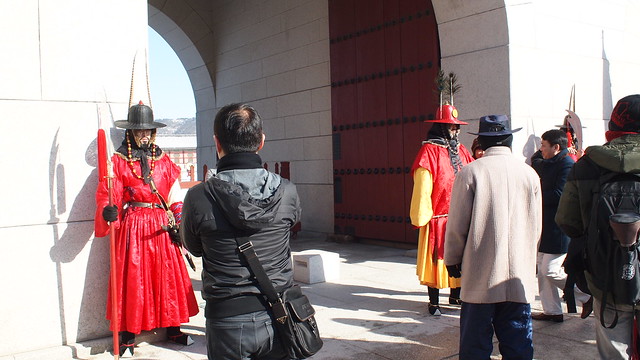
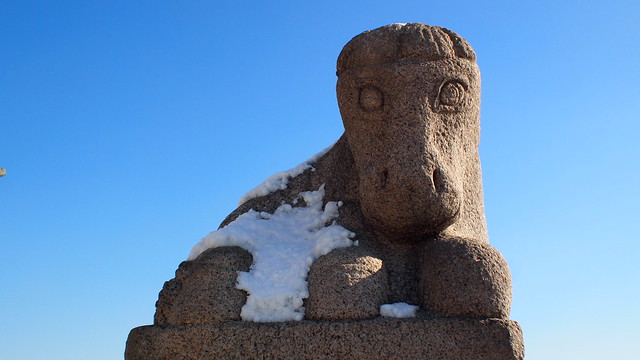
I didn't have enough of the stone figures. So I had to visit it again, in a different season, and at my own pace. This time I managed to catch the changing of guards ceremony by chance!

Gyeongbokgung

The Palace Museum is right outside the metro exit, more of that in the next post

Gyeongbokgung

Gyeongbokgung

Gyeongbokgung

Gyeongbokgung

Gyeongbokgung

At Gwanghwamum Gate

Gyeongbokgung

Gyeongbokgung

Gyeongbokgung

Gyeongbokgung

Gyeongbokgung

Gyeongbokgung

Gyeongbokgung

Gyeongbokgung

And this must be the symbol of Seoul, Haechi

Gyeongbokgung

Milling around after the Guard Changing Ceremony

Gyeongbokgung

Gyeongbokgung

Admission fees and opening hours:

Gyeongbokgung

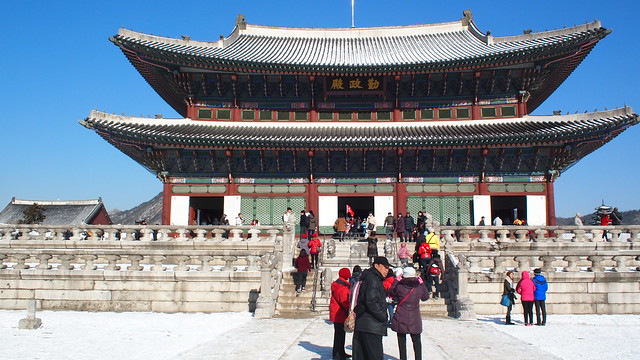
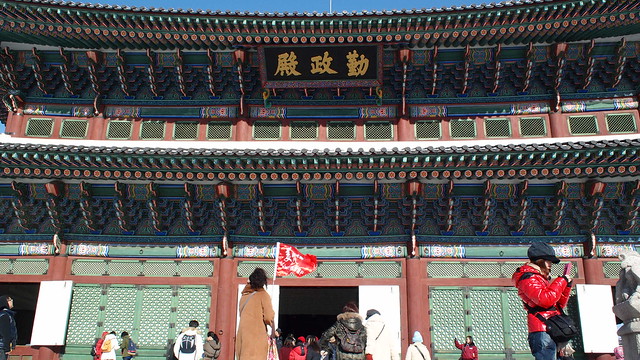
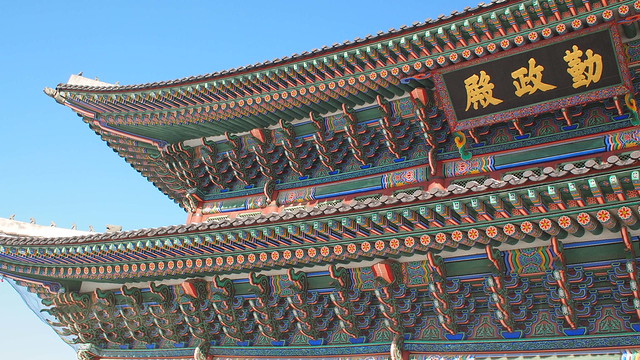
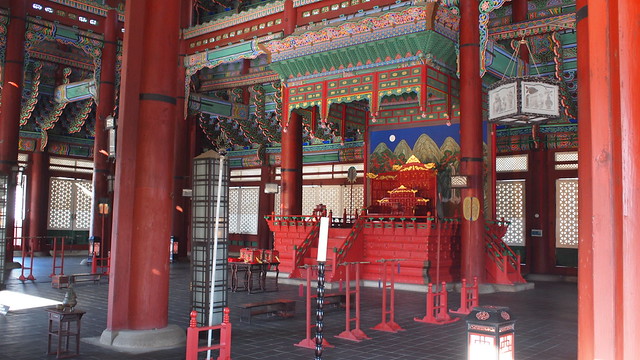
The Geunjeongmun (The Third Inner Gate), which leads to Geunjeongjeon Hall, where the king went about his stately duties in the Joseon era


Gyeongbokgung

Gyeongbokgung

Gyeongbokgung

Gyeongbokgung

Gyeongbokgung

Gyeongbokgung

Gyeongbokgung

Gyeongbokgung

Gyeongbokgung

Gyeongbokgung

Gyeonghoeru Pavilion, a hall used to hold important and special state banquets. It seems like the lake is frozen.

Gyeongbokgung

Gyeongbokgung

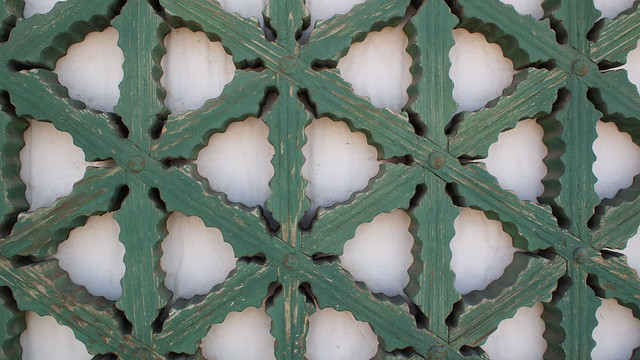
Motifs around the Palace

Gyeongbokgung

I didn't visit the Folk Museum again. But I made a quick visit to the Palace Museum which reminds me of that in Taiwan. More of that coming right up.

Featured

My Japan Itinerary (December 2012 and June 2016)

Related Posts Plugin for WordPress, Blogger...